



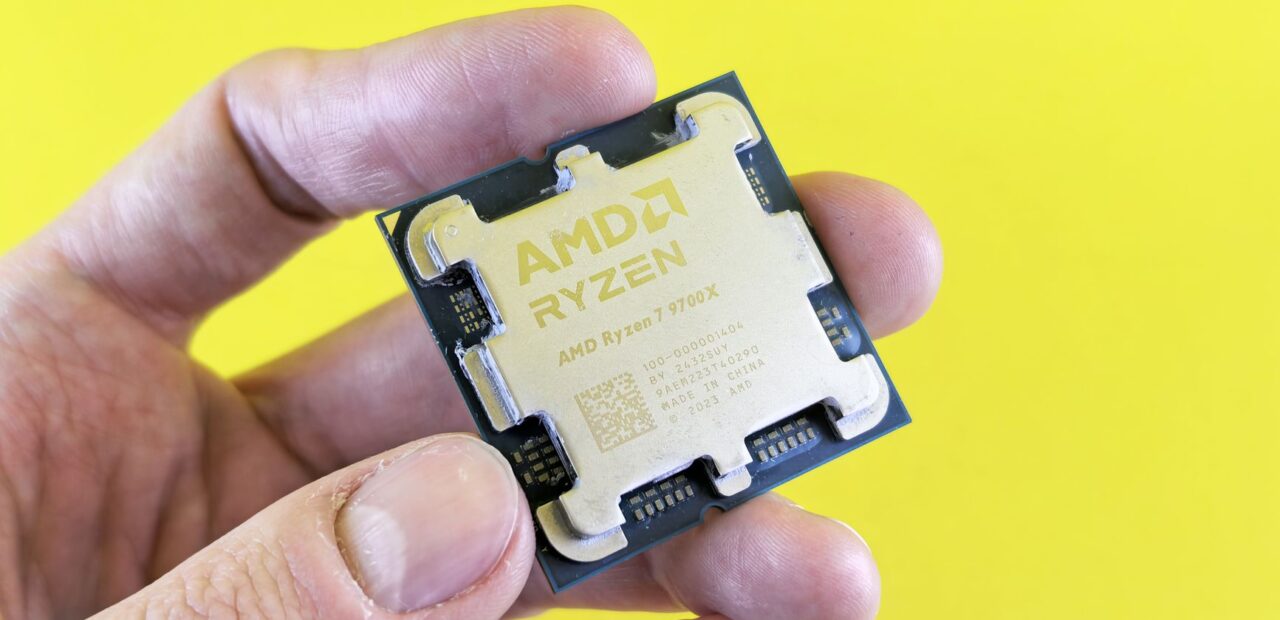
AMD Price Hike: Worst Impact on Ryzen CPUs in Q4 2026
 by James Jackson · September 19, 2026
AMD price hike is set to impact the Ryzen CPU lineup as the company notifies partners of a 10% increase due to rising TSMC wafer costs.
Understanding the AMD Price Hike
As the tech industry grapples with rising costs, AMD has announced a significant price hike of 10% for its products, which is expected to have the worst impact on its Ryzen CPU lineup come Q4 2026. This decision is primarily driven by increased manufacturing expenses, particularly due to higher wafer costs from TSMC, AMD’s primary semiconductor manufacturing partner.
This price adjustment raises concerns among consumers and industry analysts alike. Many are left pondering how this AMD price hike will affect the competitiveness of Ryzen CPUs in a market that is already increasingly saturated with options. As AMD positions itself against rivals like Intel and upcoming entrants, maintaining price-performance value will be crucial.
Key implications of the price hike include:
- Potential decrease in sales volume as price-sensitive customers may turn to alternatives.
- Strain on AMD’s market share if competitors respond with aggressive pricing strategies.
- Impact on future product launches as the company navigates increased production costs.
Impact on Ryzen CPU Availability
The recent announcement regarding the AMD price hike is expected to have significant implications for the availability of Ryzen CPUs in the coming months. As AMD implements a 10% price increase due to rising TSMC wafer costs, the impact on supply chains and production timelines is already being felt.
Industry insiders suggest that this price hike could lead to a reduction in the overall availability of Ryzen CPUs, particularly as manufacturers adjust their pricing strategies to accommodate the increased costs. This situation may create shortages in the market, especially for mid-range and high-end models that have traditionally been popular among consumers.
Key factors influencing availability include:
- Production Constraints: Increased production costs may limit the number of Ryzen CPUs that can be manufactured.
- Market Demand: Higher prices could lead to decreased consumer demand, further complicating inventory levels.
- Retail Pricing Strategies: Retailers may also need to adjust their pricing, affecting consumer accessibility.
As the Q4 2026 approaches, consumers and industry experts alike will be closely monitoring how these changes affect the Ryzen lineup and overall market dynamics.
What This Means for Consumers
The recent announcement regarding the AMD price hike has raised significant concerns among consumers, particularly for those looking to upgrade or build new systems with Ryzen CPUs. A 10% increase in prices could lead to higher costs for gamers, content creators, and general users alike.
As manufacturers adjust to the new pricing structure, consumers might face several challenges:
- Increased Costs: The price hike means that consumers will have to pay more for Ryzen CPUs, which could affect budgeting for new builds or upgrades.
- Limited Availability: With rising prices, retailers may experience a decrease in stock, making it harder for consumers to find the desired models.
- Market Reactions: Competitors might seize the opportunity to attract customers looking for alternatives, potentially leading to price wars in the CPU market.
In summary, the AMD price hike could create a ripple effect that impacts not only the cost of Ryzen CPUs but also availability and competition within the market. Consumers need to stay informed and consider their options carefully as Q4 2026 approaches.
TSMC Wafer Cost Increases
As AMD prepares for a significant price hike, the semiconductor industry faces increased pressure due to rising TSMC wafer costs. This development has raised concerns among AMD partners and consumers alike, particularly regarding the anticipated impact on Ryzen CPUs for Q4 2026.
TSMC, a key supplier for AMD, has recently announced a price increase for its wafer processing services. This surge in costs is primarily attributed to:
- Increased Manufacturing Expenses: Higher costs for raw materials and production have led to an unavoidable rise in wafer prices.
- Technological Advancements: Investments in cutting-edge manufacturing technology have added to the overall expenses.
- Market Demand: A growing demand for advanced chips has placed additional strain on production capabilities.
As a result, AMD has indicated that these increased costs will translate into a price hike for consumers, with a 10% increase expected across its product lineup. This price adjustment is particularly concerning for Ryzen CPU availability, as it may limit options for customers seeking affordable performance solutions. The AMD price hike could significantly reshape the market landscape, prompting consumers to reconsider their purchasing decisions.
AMD’s Strategy Moving Forward
As AMD navigates the challenges posed by increased production costs, the company is implementing a strategic approach to mitigate the effects of the recent AMD price hike. This adjustment is particularly crucial for maintaining competitiveness in the Ryzen CPU lineup, which has been a cornerstone of AMD’s market strategy.
Moving forward, AMD is focused on several key initiatives:
- Cost Optimization: Streamlining manufacturing processes to minimize overhead costs will be paramount in offsetting the 10% price increase.
- Product Innovation: Continuous investment in R&D is essential to deliver cutting-edge technology that justifies price points and attracts consumers.
- Building Partnerships: Strengthening relationships with suppliers, particularly TSMC, will ensure a more stable supply chain and potentially lower costs in the long run.
- Market Diversification: Expanding into new markets and product segments may help AMD reduce reliance on Ryzen CPUs affected by the price hike.
By executing this multi-faceted strategy, AMD aims to sustain its growth trajectory while addressing the challenges brought on by rising costs.
Market Reactions to Price Changes
Following the announcement of the AMD price hike, market reactions have been swift and varied. Investors and consumers alike are expressing concern over the potential ramifications for Ryzen CPU availability and pricing.
Analysts have noted that the 10% increase in prices may lead to:
- Increased retail prices for existing Ryzen models, affecting consumer purchasing decisions.
- Potential stock shortages as retailers adjust to the new pricing structure, which could further complicate supply chains already strained by demand.
- Market speculation regarding future AMD product lineups, as consumers weigh their options amidst rising costs.
Some industry experts believe that the price hike could inadvertently benefit AMD’s competitors, who may gain market share as consumers seek more affordable alternatives. On the other hand, AMD’s loyal customer base is expected to remain invested, hoping for innovations that justify the increased costs.
Overall, the landscape is shifting, and how AMD navigates the aftermath of this price hike will be crucial in determining its market position in the coming months.
Future of Ryzen CPUs in 2026
The future of Ryzen CPUs appears uncertain as AMD prepares for a significant price hike, with reports indicating a 10% increase set to take effect in Q4 2026. This decision is primarily driven by escalating costs from TSMC, which are expected to further squeeze AMD’s CPU lineup.
As AMD navigates these financial pressures, several factors will play a crucial role in shaping the Ryzen ecosystem:
- Consumer Demand: The ability of Ryzen CPUs to maintain their popularity amidst rising prices will depend on how consumers react to the new pricing structure.
- Competition: AMD faces fierce competition from Intel and other manufacturers, and their responses to AMD’s price hike could influence market dynamics.
- Technological Advancements: Continued innovation in performance and efficiency will be essential for Ryzen CPUs to justify the increased costs.
- Market Trends: Economic factors, such as inflation and supply chain disruptions, will also play a role in shaping consumer behavior and demand.
Ultimately, the AMD price hike could have lasting repercussions on the future viability of Ryzen CPUs in a rapidly evolving market.
The AMD price hike has raised concerns among gamers and content creators who rely on Ryzen CPUs for their performance needs. As the market adjusts to the AMD price hike, many are left wondering how it will affect their upgrade plans in the coming months.
Photo by Andrey Matveev on Pexels
References
You might also like

Written byJames Jackson
James Jackson is a writer and editorial contributor at socialmediacommando.com, covering news and features across the site. James focuses on clear, reader-friendly reporting.
You may also like...