

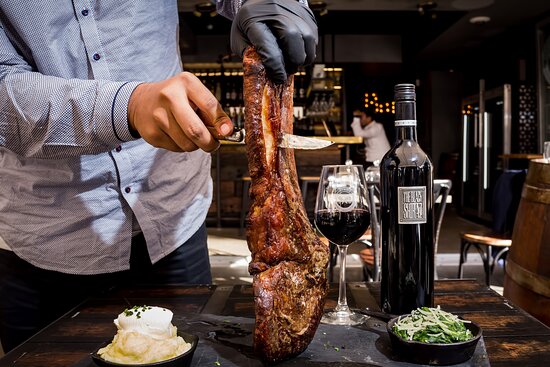
In the modern food industry, visual appeal plays a pivotal role in attracting and retaining customers. Research shows that over 60% of consumers are more likely to engage with a restaurant or food brand that displays high-quality images of their dishes online. food images serve as the first impression, influencing purchasing decisions even before tasting the meal. But why do images have such a significant impact on customer engagement?
High-quality visuals communicate freshness, portion size, and the overall experience of a dish. Unlike text descriptions, which can sometimes feel abstract, images provide a tangible sense of what customers can expect. This is particularly important for online ordering platforms and social media campaigns, where visual content often drives click-through rates and engagement metrics.
How Do Food Images Influence Online Ordering and Social Media Behavior?
Online statistics indicate that posts featuring appealing food visuals receive up to 50% more engagement than text-only posts. Customers are more likely to like, share, or comment on posts with vivid, realistic imagery. Similarly, food delivery platforms report higher conversion rates when menus include high-resolution photos of each dish.
Visuals also help reduce uncertainty in online ordering. By seeing an accurate representation of a dish, customers can make informed choices, leading to fewer complaints and higher satisfaction. This effect is particularly pronounced for new or signature dishes, where curiosity is high but prior experience is limited.
What Role Does Consistency Play in Visual Marketing?
Consistency in food imagery is critical for brand recognition and trust. A restaurant that consistently presents visually appealing dishes establishes a reliable standard in the eyes of the customer. Data from marketing studies suggest that brands with uniform visual content across social media, websites, and menus experience up to 30% higher customer retention rates.
Consistent imagery also supports cross-platform marketing strategies. Whether promoting a new menu item on Instagram, updating a website, or sending out an email campaign, high-quality images ensure that the visual message is coherent and professional. This cohesiveness reinforces brand identity and creates a more memorable experience for consumers.
How Do Restaurants Create High-Quality Food Images Effectively?
Professional photography has traditionally been the gold standard for creating appealing food visuals. However, advancements in technology now offer cost-effective alternatives that maintain visual quality. Using proper lighting, composition, and styling techniques can significantly enhance the perception of dishes.
Additionally, restaurants are leveraging AI-powered tools to generate or enhance food images, allowing rapid content creation while maintaining visual consistency. This approach reduces reliance on repeated photoshoots and enables marketing teams to test different visual strategies efficiently.
Can Food Images Impact Customer Loyalty and Revenue?
Absolutely. Engaging visuals are not just about attracting attention—they directly influence purchasing behavior. Studies indicate that restaurants displaying enticing food images see a measurable increase in repeat orders and customer loyalty. Customers often associate appealing imagery with quality and reliability, which can translate into higher lifetime value and brand advocacy.
Furthermore, high-quality images can increase the perceived value of dishes. When food is presented attractively, customers are more willing to pay premium prices, boosting overall revenue. Visual appeal also encourages sharing on social media, effectively turning satisfied customers into brand ambassadors.
Are There Challenges in Using Food Images for Marketing?
While the benefits are clear, restaurants must ensure that images accurately reflect the dishes served. Misleading visuals can lead to disappointment, negative reviews, and decreased trust. It’s also important to update images regularly to reflect seasonal changes or new menu items.
Balancing creativity with authenticity is key. While visually stunning images capture attention, they must remain representative of the actual dining experience. Restaurants that achieve this balance enjoy higher engagement, better reviews, and stronger customer relationships.
What Does the Future Hold for Food Imagery in Customer Engagement?
The future of food marketing is increasingly visual. Interactive images, 3D visualizations, and AI-generated content are becoming more prevalent, offering immersive experiences for potential customers. Restaurants that embrace these trends are likely to see enhanced engagement, stronger brand loyalty, and increased revenue.
In conclusion, high-quality food images are a powerful tool for improving customer engagement. By accurately representing dishes, maintaining visual consistency, and leveraging modern imaging technologies, restaurants can attract attention, drive sales, and foster long-term customer loyalty.