


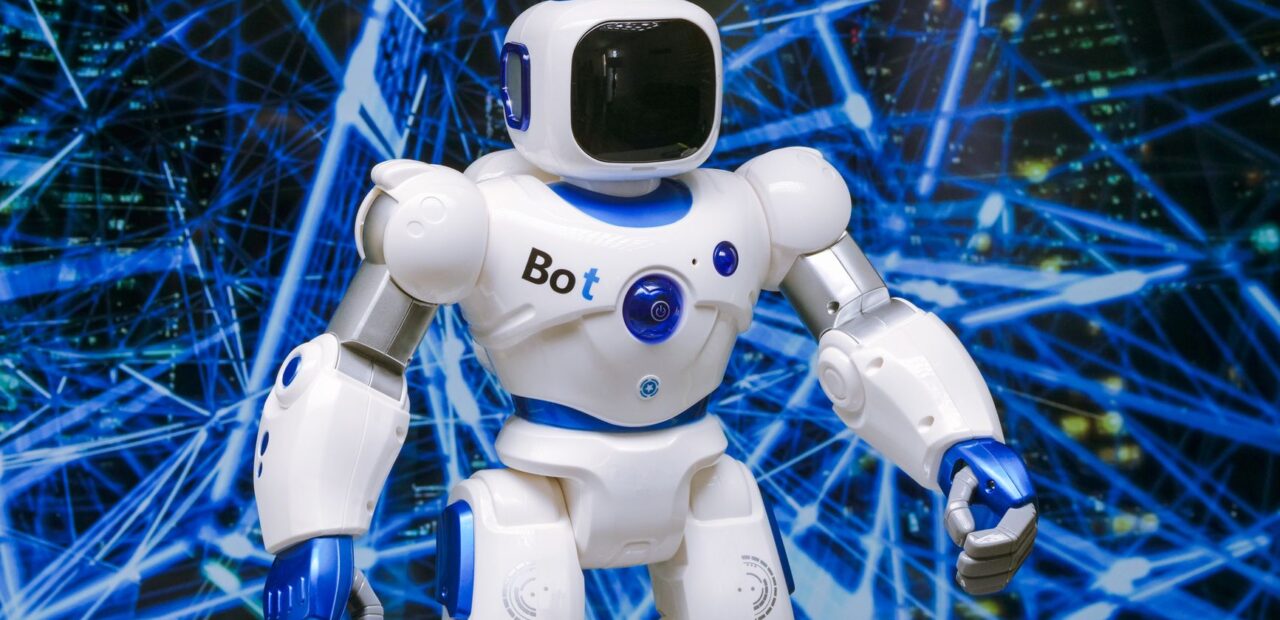
Humanoid robots deal: Proven success for Nscale’s $3.5bn
 by James Jackson · September 17, 2026
The humanoid robots deal marks a significant milestone for Nscale, which has invested $3.5 billion in cutting-edge AI technology. This investment aims to revolutionize the robotics industry.
Overview of Nscale’s Investment
Nscale has made headlines with its recent $3.5 billion investment in humanoid robots, signaling a significant step forward in the robotics industry. This move is part of Nscale’s broader strategy to enhance its technological capabilities and expand its market reach.
The company aims to leverage the advanced functionalities of humanoid robots to improve efficiency across various sectors, including manufacturing, healthcare, and customer service. The deal underscores Nscale’s commitment to integrating cutting-edge technology into its operations.
Key aspects of Nscale’s investment include:
- Innovative Technology: The humanoid robots are designed to perform complex tasks traditionally carried out by humans.
- Market Expansion: Nscale plans to introduce these robots into new markets, potentially transforming industry standards.
- Job Creation: The deployment of humanoid robots is expected to create new job opportunities in tech development and maintenance.
This investment in humanoid robots not only represents a financial commitment but also a vision for a more automated future.
Impact of Humanoid Robots on Industry
The integration of humanoid robots into various industries has begun to reshape operational paradigms, offering significant advantages in efficiency and productivity. Nscale’s recent $3.5 billion investment in humanoid robots is a testament to the growing recognition of their potential.
Among the key impacts of humanoid robots are:
- Enhanced Efficiency: Humanoid robots can perform repetitive tasks with precision, allowing human workers to focus on more complex responsibilities.
- Cost Reduction: Automating routine processes can lead to substantial savings in labor costs, making businesses more competitive.
- Improved Safety: By taking on hazardous tasks, humanoid robots reduce the risk of injury to human employees.
- Scalability: Companies can scale operations quickly by deploying humanoid robots to meet increasing demand without the lengthy training periods associated with human workers.
As industries continue to adopt these technologies, the humanoid robots deal represents not just a financial investment but a strategic move towards innovation and progress.
Key Features of the New Robots
Nscale’s latest investment in humanoid robots marks a significant advancement in the field of robotics, showcasing several key features that set these machines apart.
- Advanced AI Integration: The humanoid robots are equipped with cutting-edge artificial intelligence that allows for adaptive learning and complex decision-making capabilities.
- Human-like Interaction: Designed to emulate human behavior, these robots can engage in natural conversations, making them ideal for customer service applications.
- Enhanced Mobility: With improved motor functions, the robots can navigate various environments, performing tasks that require physical dexterity.
- Energy Efficiency: The new models boast sustainable energy consumption, enabling prolonged operation without frequent recharging.
- Modular Design: Their customizable architecture allows for easy upgrades and modifications, ensuring longevity and adaptability in a rapidly changing technological landscape.
Overall, the humanoid robots deal represents a major leap forward in robotics technology, potentially transforming numerous sectors by enhancing efficiency and productivity.
Future of AI in Robotics
The future of AI in robotics looks promising, especially with the recent humanoid robots deal involving Nscale’s substantial investment. As artificial intelligence continues to evolve, its integration into robotics is set to transform various sectors, including healthcare, manufacturing, and customer service. The capabilities of humanoid robots, powered by advanced AI, will enable them to perform complex tasks, enhancing efficiency and productivity.
Experts predict that the ongoing advancements in machine learning and neural networks will further empower these robots to interact with humans more naturally and intuitively. This innovation will not only improve user experience but also foster greater trust in robotic systems.
Moreover, the demand for humanoid robots is expected to rise as businesses recognize the potential for automation to reduce operational costs and improve service delivery. As Nscale embarks on this journey, it is clear that the investment in humanoid robotics may well signal a significant shift in how industries operate in the near future.
Market Response to the Deal
The recent humanoid robots deal between Nscale and Figure has elicited a notable response from the market, highlighting the growing interest in advanced robotics. Investors have shown optimism, as the $3.5 billion investment signals a strong belief in the potential of humanoid robots to transform various industries.
Market analysts have pointed out several key factors contributing to this positive reception:
- Innovation: The development of humanoid robots is seen as a pioneering step towards automation in sectors like healthcare and customer service.
- Job Creation: Contrary to fears of job displacement, many experts believe that these robots will create new opportunities in tech-driven roles.
- Long-term Viability: The long-term prospects of humanoid robots, fueled by AI advancements, are promising for sustained growth.
Investors are keenly watching how this humanoid robots deal unfolds, as it may set a precedent for future collaborations in the robotics industry.
Challenges Ahead for Nscale
As Nscale embarks on its ambitious $3.5 billion investment in humanoid robots, challenges lie ahead that could impact the success of this transformative deal. While the potential for innovation is immense, several factors could hinder progress.
One of the primary concerns is integration. Nscale will need to ensure that these humanoid robots seamlessly fit into existing workflows and systems across various industries. Without proper integration, the anticipated benefits may not be fully realized.
Additionally, there are regulatory hurdles to navigate. As humanoid robots become more prevalent, regulations regarding their use, safety, and ethical considerations will likely evolve. Nscale must actively engage with policymakers to shape these frameworks.
Furthermore, public perception plays a crucial role. While many embrace the notion of advanced robotics, skepticism and fear surrounding job displacement may hinder acceptance. Nscale needs to effectively communicate the advantages of humanoid robots and their potential to augment human capabilities.
Addressing these challenges will be essential for Nscale’s humanoid robots deal to achieve its full potential in revolutionizing industries.
Expert Opinions on Humanoid Robots
Industry experts are weighing in on the implications of Nscale’s $3.5 billion humanoid robots deal, emphasizing the transformative potential of these advanced technologies. According to Dr. Emily Carter, a robotics researcher at Tech University, “This investment signals a pivotal shift in how businesses can leverage humanoid robots to enhance productivity and efficiency.” She notes that the integration of such robots could redefine workplace dynamics, enabling humans and machines to collaborate more effectively.
Furthermore, John Lee, a leading analyst in AI technology, argues that “Nscale’s commitment to humanoid robotics not only showcases their ambition but also sets a benchmark for competitors.” He highlights that the deal is expected to accelerate innovation in the sector, enabling rapid advancements in AI applications.
In addition, industry insiders have pointed out that the successful deployment of humanoid robots may lead to increased consumer acceptance of robotic assistance in daily life. This could pave the way for broader adoption across various sectors, from healthcare to manufacturing.
Conclusion and Next Steps
In conclusion, Nscale’s $3.5 billion investment in humanoid robots marks a significant milestone in the evolution of robotics and artificial intelligence. The successful integration of these advanced machines into various sectors has demonstrated their potential to enhance operational efficiency and productivity. As the company moves forward, several key steps will be crucial to ensure the long-term success of this initiative.
- Continuous Innovation: Nscale must prioritize ongoing research and development to stay ahead of competitors and meet the evolving needs of the market.
- Strategic Partnerships: Collaborating with tech firms and research institutions can foster new ideas and improvements in humanoid robot technology.
- Market Education: Engaging with potential customers to educate them on the benefits of humanoid robots will be vital to drive adoption.
- Addressing Challenges: Proactively tackling any operational and ethical challenges will be essential to gain public trust.
As Nscale embarks on this ambitious journey, the future of humanoid robots looks promising, potentially transforming industries across the globe.
The humanoid robots deal has not only showcased Nscale’s innovative technology but also its potential for transforming various industries. As the humanoid robots deal progresses, many are eager to see how these advancements will impact the future of automation.
Photo by Kindel Media on Pexels
Read the original
Related stories

Written byJames Jackson
James Jackson is a writer and editorial contributor at socialmediacommando.com, covering news and features across the site. James focuses on clear, reader-friendly reporting.
You may also like...