

Modular Data Center: Is It the Best Investment for Ontario?
 by James Jackson · October 30, 2026
The modular data center is a revolutionary approach in technology, offering significant advantages for businesses in Ontario. PowerBank’s recent announcement highlights its first 2 MW modular data center, aiming for substantial annual lease revenue.
What is a Modular Data Center?
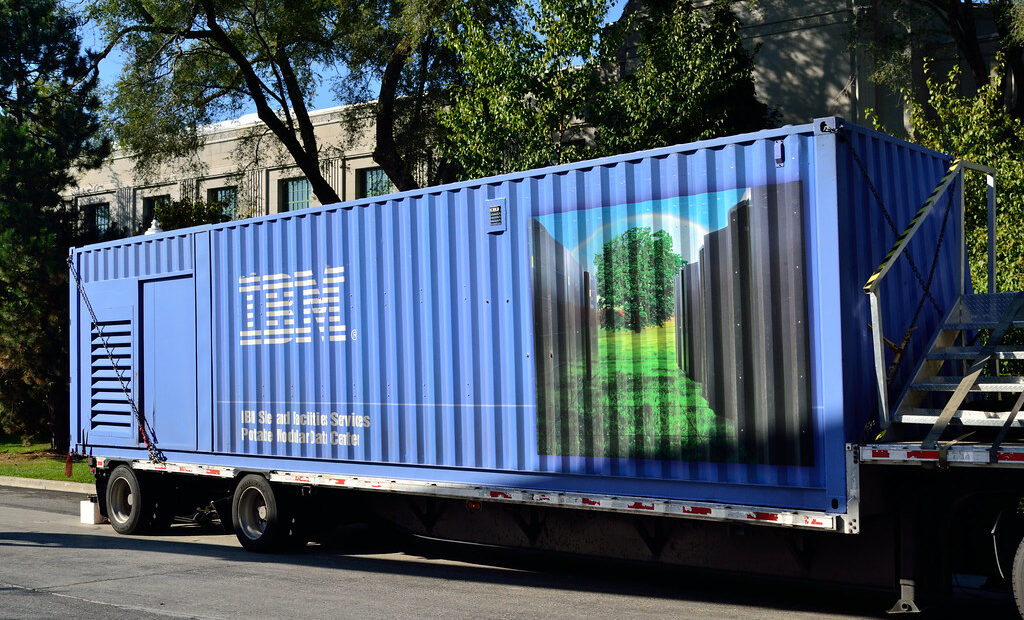
A modular data center is a pre-fabricated structure that houses IT equipment, designed for quick deployment and scalability. These facilities are constructed off-site and can be delivered to their final location with minimal disruption. The concept behind modular data centers is to provide a flexible and efficient solution to the growing demands for data storage and processing.
Typically, a modular data center consists of several key components, including:
- Modular architecture: Each unit can be independently operated and scaled according to needs.
- Energy efficiency: These centers often utilize advanced cooling technologies and energy-saving designs.
- Rapid deployment: Modular data centers can be set up much quicker than traditional facilities, allowing organizations to respond swiftly to market demands.
- Cost-effectiveness: The reduced construction time and lower operational costs make them an attractive investment.
With the announcement of the first 2 MW modular data center in Ontario, there is a growing interest in this innovative approach to data management. The potential annual lease revenue of approximately C$2 million highlights the financial viability of such investments. As Ontario continues to embrace technological advancements, modular data centers could play a critical role in the region’s infrastructure and economic growth.
Benefits of Modular Data Centers
As the demand for efficient and scalable data storage solutions continues to rise, modular data centers have emerged as a viable option for businesses in Ontario. These innovative facilities offer a range of benefits that make them an attractive investment choice.
One of the primary advantages of modular data centers is their flexibility. These structures can be easily expanded or contracted based on the evolving needs of a business. This adaptability allows companies to optimize their resources without the significant costs associated with traditional data center construction.
Additionally, the energy efficiency of modular data centers is noteworthy. With advanced cooling systems and optimized layouts, these centers often consume less power compared to conventional facilities. This not only reduces operational costs but also contributes to a smaller carbon footprint, aligning with the growing emphasis on sustainability.
Another benefit is the speed of deployment. Modular data centers can be constructed rapidly, allowing businesses to get up and running much quicker than with traditional builds. This is particularly beneficial for companies looking to capitalize on market opportunities without lengthy delays.
Overall, the combination of flexibility, energy efficiency, and quick deployment makes modular data centers a compelling option for businesses considering their next investment in Ontario.
PowerBank’s New Facility in Ontario
PowerBank has recently announced the opening of its first 2 MW modular data center in Ontario, marking a significant step in the region’s technological infrastructure. This state-of-the-art facility is designed to meet the growing demand for data processing and storage, positioned strategically to support various industries in the area.
The modular data center is expected to generate approximately C$2 million in annual lease revenue, showcasing the financial viability of such investments in Ontario. With its quick deployment capabilities, the facility allows for scalability and flexibility, catering to the ever-evolving needs of businesses.
Key features of PowerBank’s new facility include:
- Energy Efficiency: The modular design optimizes power consumption, reducing operational costs.
- Rapid Deployment: The pre-fabricated nature of modular data centers allows for quicker setup compared to traditional facilities.
- Scalability: As demand increases, additional modules can be integrated without significant downtime.
- Environmental Impact: Utilizing advanced cooling technologies, the center minimizes its carbon footprint.
As Ontario continues to embrace digital transformation, investments like PowerBank’s modular data center could play a pivotal role in enhancing the region’s technological landscape and economic growth.
Potential Revenue from Modular Data Centers
The emergence of modular data centers in Ontario presents a promising opportunity for revenue generation. As highlighted in PowerBank’s recent announcement regarding its first 2 MW modular data center, the facility is projected to yield an annual lease revenue of approximately C$2 million. This figure underscores the financial potential of investing in such innovative infrastructure.
Several factors contribute to the lucrative nature of modular data centers:
- Cost Efficiency: Modular data centers are designed to be more cost-effective than traditional setups. Their prefabricated components reduce construction time and labor costs.
- Scalability: These facilities can be easily expanded or reduced based on demand, allowing for flexibility in operations and financial planning.
- Quick Deployment: Modular units can be deployed rapidly, enabling businesses to start generating revenue sooner than with conventional data centers.
- Attractive Leasing Models: The potential for long-term leases with clients can create a steady stream of income, appealing to investors and companies alike.
As the digital landscape continues to evolve, the demand for data storage and processing capabilities is only expected to grow. Therefore, investing in modular data centers could represent a strategic move for those looking to capitalize on the expanding market in Ontario.
How Do Modular Data Centers Work?
Modular data centers are designed to offer flexibility and scalability in data management. They consist of pre-fabricated units that can be quickly deployed and integrated into existing infrastructure, making them an attractive option for businesses looking to optimize their data storage and processing capabilities.
These centers typically include critical components such as servers, cooling systems, and power distribution, all housed within a compact module. The modular design allows for easy expansion as data needs grow, enabling organizations to add more units without significant downtime or disruption.
The operation of a modular data center involves several key processes:
- Deployment: The modules are shipped to the site and connected to existing power and network resources.
- Scalability: Additional modules can be added seamlessly, allowing for incremental growth based on demand.
- Efficiency: These centers are optimized for energy use, often incorporating advanced cooling technologies to reduce operational costs.
- Management: Remote monitoring tools enable operators to manage resources efficiently, ensuring minimal downtime.
With their innovative design and operational efficiency, modular data centers are proving to be a viable solution for businesses in Ontario looking to invest in the future of data management.
Comparison with Traditional Data Centers
When comparing modular data centers to traditional data centers, several factors come into play that can influence investment decisions in Ontario’s technology landscape. Traditional data centers are often characterized by their fixed infrastructure, high upfront costs, and lengthy construction times. In contrast, a modular data center offers a more flexible approach, allowing for quicker deployment and scalability based on demand.
One significant advantage of modular data centers is their cost-effectiveness. These facilities can be built and expanded incrementally, which reduces the need for large initial capital investments. Additionally, operational expenses can be lower due to energy-efficient designs and optimized resource management.
Moreover, modular data centers typically require less physical space and can be deployed in various locations, making them ideal for urban environments where real estate is at a premium. This adaptability can lead to quicker returns on investment as they can be operational in a fraction of the time compared to traditional setups.
Furthermore, modular systems often incorporate advanced technologies that enhance performance and reliability, which can be critical for businesses relying on uninterrupted service. As Ontario seeks to boost its tech sector, the modular data center model may prove to be a compelling solution for companies looking to optimize their infrastructure while minimizing risks and costs.
Future of Data Center Technology
The future of data center technology is rapidly evolving, with modular data centers emerging as a key player in the industry. These innovative solutions are designed to meet the growing demand for efficient, scalable, and flexible data storage options.
As organizations increasingly rely on digital infrastructures, the need for data centers that can quickly adapt to changing requirements has never been more pressing. Modular data centers offer a unique advantage, allowing for quick deployment and easy expansion. This adaptability is crucial in a world where businesses must respond swiftly to technological advancements and fluctuations in data processing needs.
Moreover, these facilities often utilize advanced cooling and energy-efficient systems, resulting in lower operational costs and a smaller environmental footprint. This focus on sustainability aligns with global trends toward greener technology solutions.
In Ontario, the recent announcement of PowerBank’s first 2 MW modular data center highlights the growing interest in this sector. With the potential for significant annual lease revenue, investments in modular data centers may provide lucrative opportunities for companies looking to enhance their operational capabilities.
As the landscape of data center technology continues to shift, modular solutions may very well define the next generation of data storage, offering efficiency and adaptability that traditional data centers struggle to match.
Key Takeaways from PowerBank’s Announcement
PowerBank’s recent announcement regarding the development of its first 2 MW modular data center in Ontario has generated significant interest among investors and industry experts. Here are some key takeaways from the announcement:
- Investment Potential: The new modular data center is expected to generate approximately C$2 million in annual lease revenue, showcasing the financial viability of such facilities.
- Scalability: Modular data centers offer a flexible approach to infrastructure, allowing for easy scaling based on demand, making them an attractive option for businesses looking to expand.
- Environmental Impact: PowerBank emphasized its commitment to sustainability, incorporating energy-efficient technologies and renewable energy sources in the modular data center design.
- Market Demand: With the increasing reliance on cloud-based services and data storage, the demand for modular data centers is expected to rise, positioning PowerBank strategically within the market.
- Technological Advancements: The new facility will utilize the latest technologies to enhance performance, ensuring it remains competitive against traditional data centers.
As Ontario continues to embrace digital transformation, the launch of PowerBank’s modular data center could mark a significant shift in how data infrastructure is developed and utilized in the region.
By Open Grid Scheduler / Grid Engine via Openverse
Where this came from
You might also like

Written byJames Jackson
James Jackson is a writer and editorial contributor at socialmediacommando.com, covering news and features across the site. James focuses on clear, reader-friendly reporting.
You may also like...