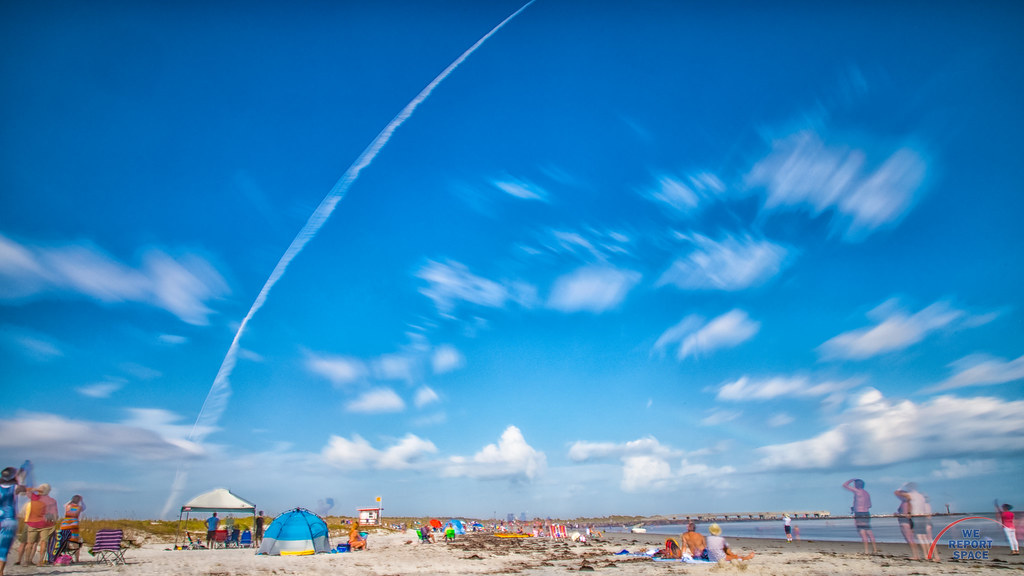
Rocket launch viewing: The Best Simple Guide to Planning
 by James Jackson · October 21, 2026
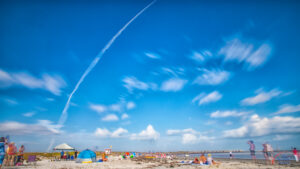
Rocket launch viewing is an exciting adventure for space enthusiasts. Planning your trip involves several key factors to ensure you have the best experience possible.
What to Expect at a Rocket Launch
Attending a rocket launch viewing can be an exhilarating experience, but it’s essential to know what to expect to make the most of your trip. Here are some key aspects to consider:
- Location: Choose a viewing spot that offers a clear line of sight to the launch pad. Popular locations often provide amenities and facilities.
- Timing: Arrive early to secure a good spot. Launch schedules can change, and it’s best to be prepared for delays.
- Weather: Check the forecast ahead of time. Weather conditions can affect visibility and safety, possibly leading to postponements.
- Sound and Vibration: Expect a loud roar and significant vibrations as the rocket lifts off. It’s a powerful reminder of the energy involved in space exploration.
- Photography: Bring a camera to capture the moment, but be aware of restrictions on equipment at some viewing areas.
With these tips, your rocket launch viewing experience can be memorable and enjoyable.
Top Locations for Rocket Launch Viewing
When planning your rocket launch viewing experience, choosing the right location is crucial for an unforgettable adventure. Here are some top locations that offer excellent vantage points:
- Kennedy Space Center, Florida: This iconic site provides prime viewing areas along with educational exhibits about space exploration.
- Cape Canaveral Air Force Station, Florida: Home to numerous launches, this location offers public viewing opportunities for major events.
- Vandenberg Space Force Base, California: Known for its west coast launches, Vandenberg provides scenic views and often hosts public events.
- Wallops Flight Facility, Virginia: A lesser-known gem, Wallops offers a unique experience with smaller rocket launches and great accessibility.
Each of these locations not only enhances the rocket launch viewing experience but also provides opportunities for learning and exploration in the realm of space science.
Tips for Planning Your Trip
Planning your trip for a rocket launch viewing can significantly enhance your experience. Here are some essential tips to consider:
- Check the Launch Schedule: Always verify the launch date and time, as they can change due to weather or technical issues.
- Arrive Early: Rocket launch viewing sites can get crowded, so arrive early to secure a good spot.
- Bring the Right Gear: Pack binoculars, a camera, and a comfortable chair or blanket for a better viewing experience.
- Stay Updated: Follow official social media accounts or websites for live updates on the launch status.
- Plan for Weather: Check the forecast ahead of time and be prepared for differing conditions.
By keeping these tips in mind, you can ensure a successful and enjoyable rocket launch viewing experience.
Safety Considerations for Viewing
When planning your rocket launch viewing experience, safety should be your top priority. Here are some essential considerations to keep in mind:
- Follow Official Guidelines: Always adhere to the safety protocols issued by the launch site. These may include specific viewing zones and necessary equipment.
- Stay Informed: Keep up with any changes in launch schedules or safety advisories by checking official websites or social media feeds.
- Prepare for Crowds: Popular viewing spots can attract large crowds. Arrive early to secure a good vantage point and avoid last-minute rushes.
- Protect Yourself: Depending on the launch, you may encounter loud noises and bright lights. Consider ear protection and sunglasses to enhance your viewing experience.
- Emergency Kit: Always have a basic emergency kit on hand, including water, snacks, and a first aid kit, just in case you need it during your rocket launch viewing adventure.
Best Times of Year for Launches
When planning your rocket launch viewing experience, timing is crucial. The best times of year for launches often depend on the schedule of space agencies and private companies. Here are some key periods to consider:
- Spring: Many launches occur during this season, taking advantage of favorable weather conditions.
- Summer: This is a popular time for launches, especially for family trips, but be prepared for heat and humidity.
- Fall: As temperatures cool, fall can provide excellent viewing opportunities, often with fewer crowds.
- Winter: While weather can be unpredictable, winter launches may offer stunning views against clear skies.
Monitoring launch schedules is essential, as dates can change due to technical issues or weather. By choosing the right time of year, you can enhance your rocket launch viewing experience significantly.
Rocket Launch Viewing: What to Bring
When preparing for a rocket launch viewing, it’s essential to pack wisely to ensure a comfortable and enjoyable experience. Here are some key items to consider bringing:
- Seating: A portable chair or blanket can provide comfort during long waits.
- Binoculars: These can enhance your viewing experience, allowing you to see the rocket details up close.
- Camera: Capture the moment with a camera or smartphone, but remember to respect any photography restrictions.
- Food and Drinks: Pack snacks and plenty of water, as launch viewing locations may have limited options.
- Sun Protection: Sunscreen, hats, and sunglasses are vital, especially for daytime launches.
- Weather Gear: Depending on the forecast, bring umbrellas or ponchos for unexpected rain.
By bringing these essentials, you can enhance your rocket launch viewing experience and ensure a memorable day.
How to Stay Updated on Launch Schedules
Staying updated on rocket launch schedules is crucial for anyone interested in rocket launch viewing. There are several reliable sources to help you keep track of upcoming launches:
- Official Space Agency Websites: Organizations like NASA and SpaceX provide accurate and timely information on launch dates and times.
- Social Media: Follow the official accounts of space agencies and launch providers on platforms like Twitter and Instagram for real-time updates.
- News Outlets: Keep an eye on reputable science and technology news websites that cover space exploration and launches.
- Launch Apps: Consider downloading apps specifically designed for tracking rocket launches, which often send notifications about schedule changes.
By regularly checking these sources, you can ensure you won’t miss out on an exciting opportunity for rocket launch viewing, making your experience as enjoyable as possible.
By Michael Seeley via Openverse
References
Mars moon Phobos mission: A historic step for space exploration · Redmi K100 launch: The Best Smartphone with Proven Battery · Honor Win2 series specs: Best proven details before launch

Written byJames Jackson
James Jackson is a writer and editorial contributor at socialmediacommando.com, covering news and features across the site. James focuses on clear, reader-friendly reporting.
You may also like...